Introduction
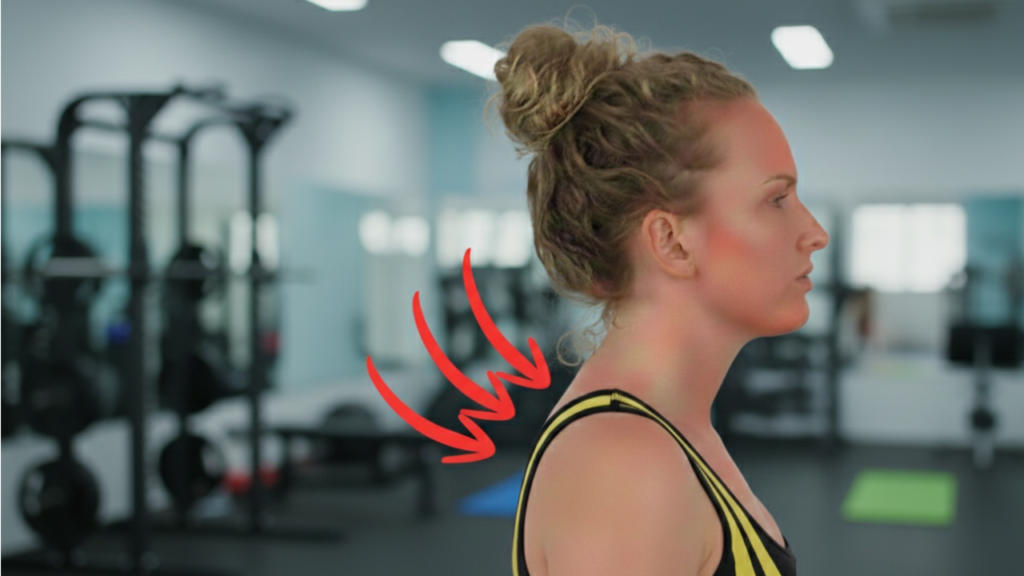
In today’s digital-first world, neck hump—often called tech neck or dowager’s hump—is no longer an issue limited to older adults. It is increasingly seen in teenagers, young adults, and even children. This visible bump at the base of the neck is not just a cosmetic concern; it is a sign of deep postural imbalance, muscular weakness, joint stiffness, and long-term spinal stress. The problem often begins early, silently, and progresses for years before pain and stiffness force attention.
This article explores why neck hump develops, how early phone usage severely affects a child’s growth and posture, why corporate work culture worsens the damage, and most importantly, how to fix posture safely using foam roller thoracic extension and similar corrective exercises. We’ll conclude with simple daily habits that support neck hump reduction and long-term shoulder and neck health.
What Is a Neck Hump?
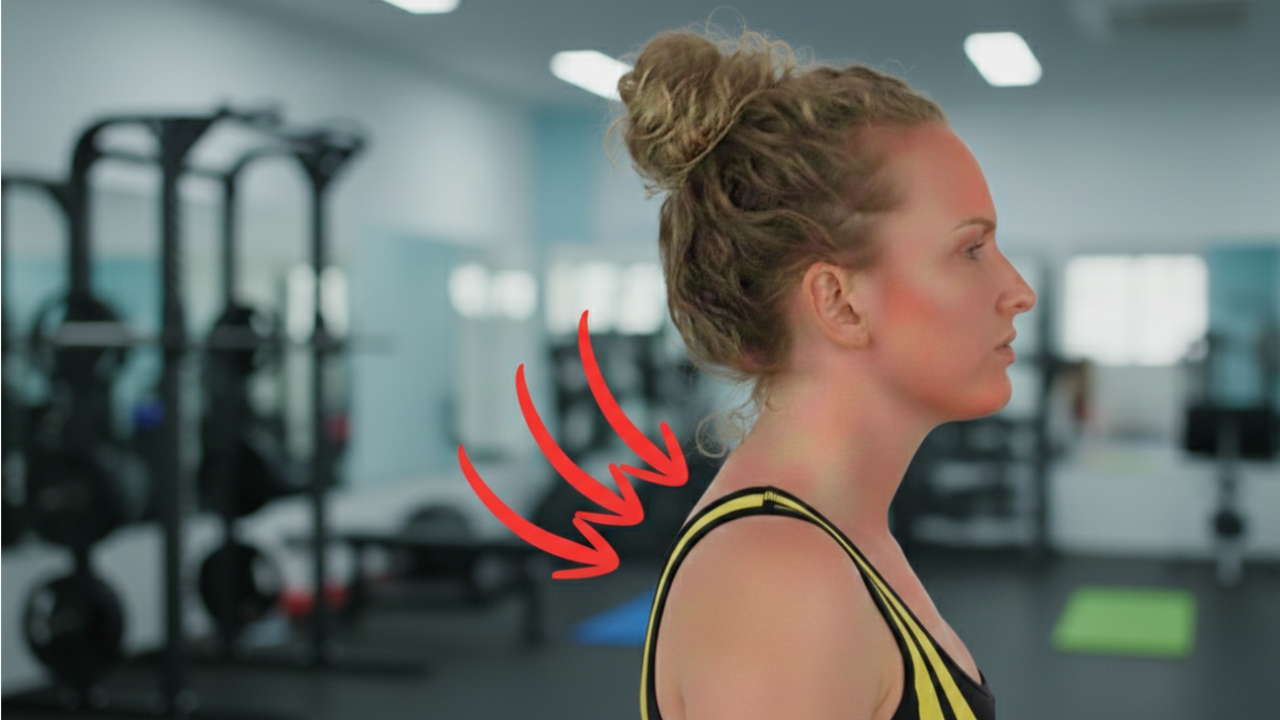
A neck hump is a forward rounding of the upper spine (thoracic kyphosis) combined with the head jutting forward. Over time, fat, connective tissue, and tight muscles accumulate at the base of the neck, creating a visible hump. It develops due to poor posture habits, lack of spinal mobility, and muscle imbalance, not overnight—but over years of neglect.
Key characteristics include:
- Forward head posture
- Rounded shoulders
- Stiff upper back
- Neck pain and tension
- Shoulder discomfort and reduced mobility
Root Causes of Neck Hump
1. Excessive Phone and Screen Usage at a Young Age
Children today are exposed to smartphones, tablets, and laptops from a very early age—often before their bones, muscles, and posture awareness have fully developed.
When a child bends their head forward to look at a phone, the load on the neck multiplies. A head that weighs around 4–5 kg in neutral posture can place up to 25–30 kg of pressure on the cervical spine when tilted forward. Over time, this leads to:
- Weak neck and upper-back muscles
- Tight chest and neck muscles
- Poor spinal alignment during growth years

2. Impact on Growth and Skeletal Development
Childhood and adolescence are critical periods for skeletal shaping. When posture is consistently poor:
- The spine adapts to the faulty position
- Shoulder blades lose proper alignment
- Natural spinal curves are altered
Instead of growing tall and aligned, the child grows into a collapsed posture. Once these adaptations set in, they don’t self-correct without conscious intervention.
3. Lack of Physical Play and Movement
Earlier generations balanced sitting with outdoor play, climbing, running, and natural movement. Modern children often replace this with screen time. This results in:
- Poor thoracic spine mobility
- Weak core and postural muscles
- Reduced body awareness
The body becomes efficient at slouching instead of standing tall.
Growing Up With Postural Deformities
Children with poor posture often don’t feel pain immediately. The body adapts and compensates. By the time they reach their late teens or early twenties, the posture feels normal—even though it is far from healthy.
Common postural patterns include:
- Forward head posture
- Internally rotated shoulders
- Rounded upper back
- Tight neck and upper trapezius muscles
Because these patterns develop gradually, they are often ignored or dismissed as harmless habits.

Corporate Life: No Time to Recover
As these children grow into adults, they are often thrust directly into demanding corporate environments. Sitting for 10 to 14 hours a day, commuting, and working on laptops without ergonomic awareness worsens existing postural damage.
How Corporate Work Aggravates Neck Hump
- Prolonged sitting compresses the spine
- Screens positioned too low increase forward head posture
- Stress increases muscle tension in neck and shoulders
- Lack of movement prevents recovery
Without time to reverse years of poor posture, the neck hump becomes more pronounced, accompanied by:
- Chronic neck and shoulder pain
- Frequent headaches
- Stiff upper back
- Reduced breathing capacity

Why Stretching Alone Is Not Enough
Many people try random neck stretches or massages. While these may provide temporary relief, they do not address the root cause—restricted thoracic spine mobility and weak postural muscles.
To truly fix neck hump, the upper back (thoracic spine) must regain its ability to extend.
Foam Roller Thoracic Extension: The Foundation Exercise
Why Thoracic Extension Matters
The thoracic spine is designed to extend and rotate. When it becomes stiff, the neck compensates by overworking, leading to pain and hump formation.
Foam roller thoracic extension gently restores mobility, improves posture, and reduces pressure on the neck.
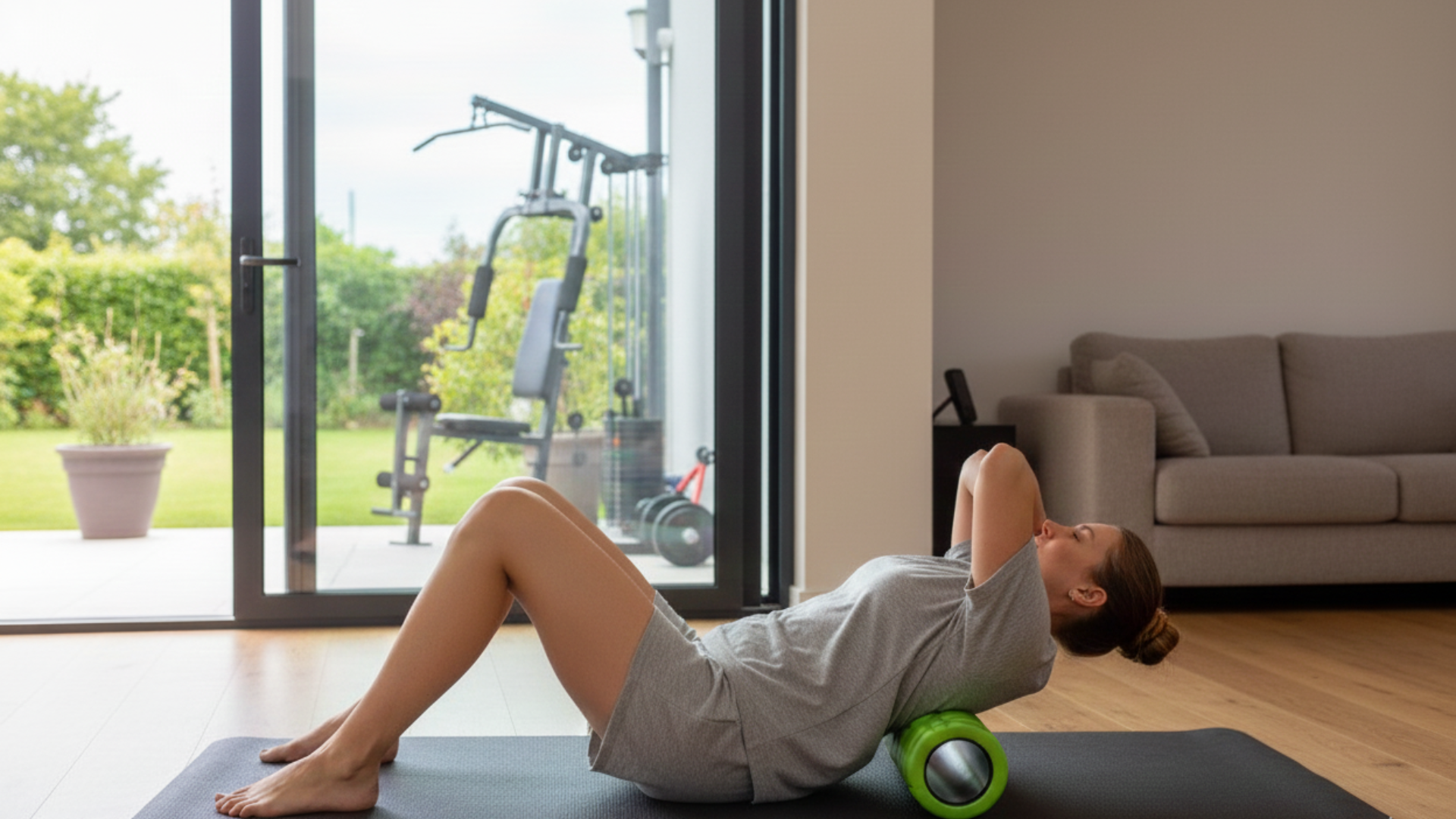
How to Perform Foam Roller Thoracic Extension
- Sit on the floor and place a foam roller horizontally behind your upper back
- Lie back with knees bent and feet flat
- Support your head with your hands
- Gently extend your upper back over the roller
- Exhale and relax into the movement
- Return to neutral and repeat
Repetitions: 8–10 slow reps
Benefits
- Improves upper-back mobility
- Reduces forward head posture
- Decreases neck and shoulder tension
- Supports neck hump reduction
Additional Foam Roller Exercises for Posture
1. Foam Roller Chest Opener
How to do it:
Lie lengthwise on the foam roller with arms open to the sides.
Benefits:
- Stretches tight chest muscles
- Encourages shoulder retraction
- Improves breathing and posture
2. Foam Roller Shoulder Blade Activation
How to do it:
Lie on the roller and gently squeeze shoulder blades together.
Benefits:
- Strengthens mid-back muscles
- Improves shoulder alignment
- Reduces shoulder pain
3. Foam Roller Neck Relaxation
How to do it:
Place the roller under the upper neck and gently rotate side to side.
Benefits:
- Relieves neck stiffness
- Improves circulation
- Reduces muscle tension
Supporting Exercises Without Foam Roller
While foam rolling restores mobility, certain bodyweight movements help decompress the spine and reinforce natural alignment. One of the most powerful yet underrated exercises for posture correction is the Dead Hang.
Dead Hangs: Decompression for the Modern Spine
What Is a Dead Hang?
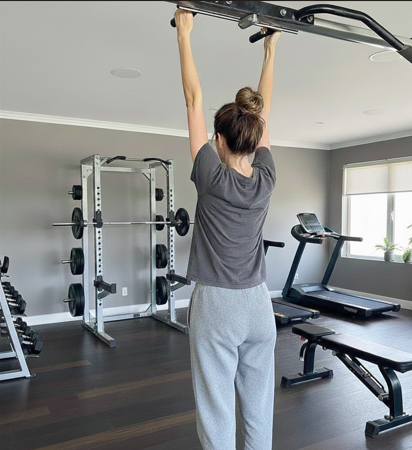
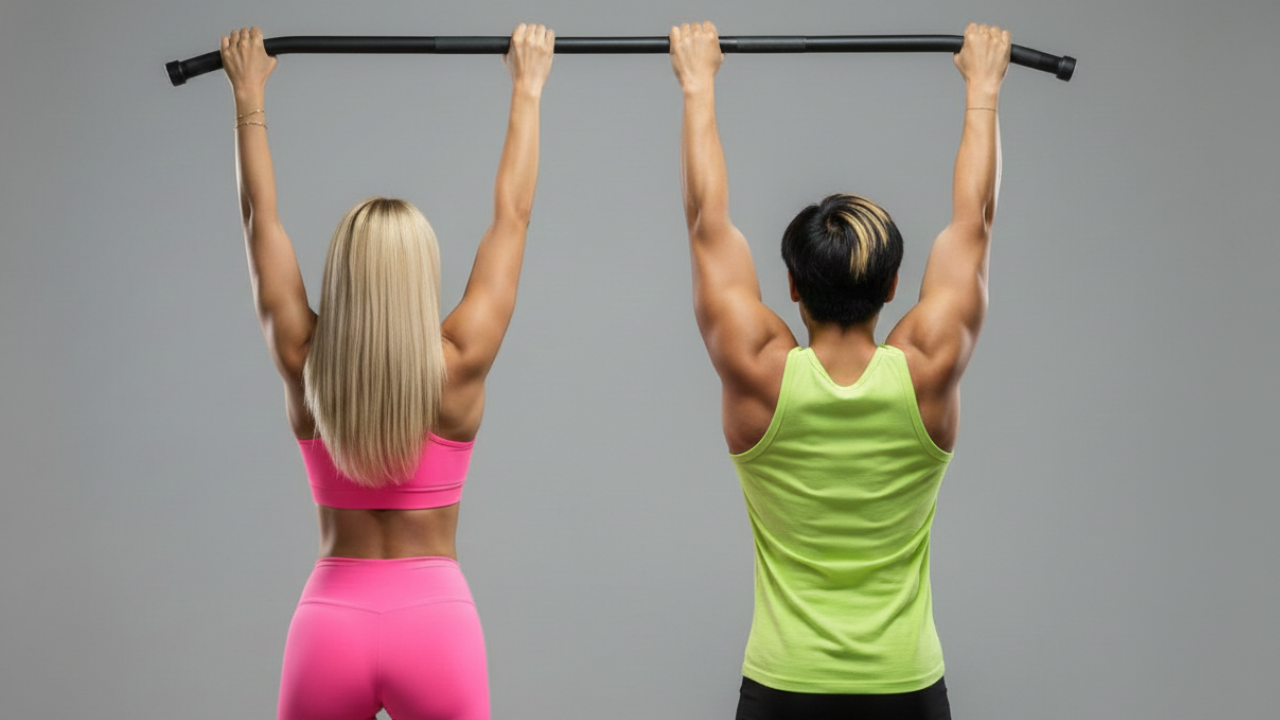
A dead hang is performed by hanging freely from a pull-up bar or any sturdy overhead support, allowing the body to relax under gravity. The arms stay straight, shoulders relaxed, and legs hang naturally or slightly bent if needed.
How Dead Hangs Help Improve Posture
Dead hangs work in a way that most exercises cannot—they decompress the spine naturally. Years of sitting, slouching, and forward head posture compress the neck, shoulders, and upper back. Hanging allows gravity to gently create space between spinal segments.
Key posture benefits include:
- Decompresses the cervical and thoracic spine
- Relieves pressure built up from prolonged sitting
- Improves shoulder mobility and overhead range
- Encourages natural spinal length and alignment
- Reduces stiffness in the neck and upper back
For individuals with neck hump or rounded shoulders, dead hangs help counter the constant downward pull created by screens and desks.
Why Dead Hangs Feel Hard at First
For many people, dead hangs feel extremely challenging initially. This is normal.
Reasons include:
- Weak grip strength
- Tight shoulders and lats
- Poor shoulder blade control
- Nervous system unfamiliarity with overhead positions
The difficulty is not a sign of weakness—it is a sign that the body has adapted to restricted movement patterns over time.
How to Start and Progress Safely
- Begin with 10–15 seconds of hanging
- Use a step or lightly touch the ground if needed
- Focus on relaxed breathing rather than holding tension
- Gradually increase hang time as strength improves
With consistent practice, what once felt impossible becomes easier. Over weeks, hang time can increase to 30–60 seconds or more, bringing noticeable improvements in posture, shoulder comfort, and spinal ease.
A Simple Tip
Quality matters more than duration. A relaxed, controlled hang with steady breathing is far more beneficial than forcing longer holds with tension.
- Wall posture holds
- Chin tucks
- Shoulder blade squeezes
- Thoracic rotations
These help reinforce the mobility gained from foam rolling and hanging.
Daily Lifestyle Tips to Reduce Neck Hump
1. Screen Awareness
- Raise screens to eye level
- Avoid bending the neck while using phones
2. Movement Breaks
- Stand and stretch every 30–45 minutes
- Walk and open your chest frequently
3. Sleep Posture
- Use a supportive pillow
- Avoid sleeping with excessive neck flexion
4. Strength Over Stretching
- Focus on strengthening postural muscles
- Stretch only what is tight
5. Breathing Matters
- Practice deep nasal breathing
- Avoid shallow chest breathing
Conclusion: Tomorrow’s Bliss Begins With Today’s Posture
Neck hump is not merely a postural flaw—it is the body’s quiet response to years of being unheard. From early childhood phone use to long hours spent sitting in adulthood, the spine slowly adapts to survive modern demands rather than thrive within them. What we often see as stiffness, pain, or a visible hump is simply the body asking for restoration.
Tomorrow’s Bliss is built on the belief that healing does not come from force or quick fixes, but from gentle consistency, awareness, and respect for the body’s natural design. By restoring thoracic mobility, strengthening postural muscles, and supporting the spine through mindful daily habits, the body begins to remember its original alignment.
Each foam roller extension, each conscious posture break, and each moment of upright breathing is a step toward a lighter neck, open shoulders, and a calmer nervous system. Over time, pain softens, posture lifts, and confidence returns—not because the body was corrected, but because it was cared for.
Start today. Move gently. Stand tall with ease.
Your neck, shoulders, and spine will thank you with every breath, every step, and every moment of pain-free movement—guiding you slowly, steadily, toward Tomorrow’s Bliss.